
Feb
21
 As residents, working 12 hours a day, we often wonder, “How do we do it all?”. It feels easy to be overwhelmed at the idea of achieving wellness. While we strive to have the perfect professional and personal life balance, it sometimes feels impossible to read, exercise, do household chores, and fulfill the role of a loving partner/parent/child/friend when we return back home.
 When I was first approached by a good friend to write this article for “how are you DOing”, I laughed. But I wasn’t asked to write a “How are you DOing” I was asked to write “Who DO you walk?”
 I knew residency wouldn’t be easy for someone as beholden to REM cycles as I am, though I naively believed I could make it through four years of training unaffected by their relative absence. It turns out that was wishful thinking. Although I took an oath to do no harm to my patients, learning how to practice medicine came at the cost of my own health and well-being.
 Have you ever found yourself so overwhelmed you literally didn’t know where to start sorting through your “to-do” list? Been there, done that.
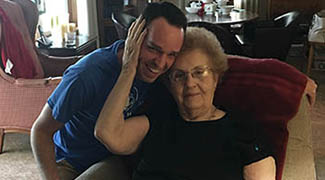 When we were young, my brother and I spent much of our summers at my grandma and grandpa’s farm in Boswell, Indiana. Running around with our cousins in the country and being doted on by grandparents was typically much more appealing than being cooped up in the suburbs and getting assigned the perfunctory summer chores from our mom.
 Jab! Cross! Left body hook! Right front kick! Left side kick! Right roundhouse kick! Beads of sweat drip down my face as I finish Round Six. I am exhausted. The sense of accomplishment is palpable. Not only have I made it through one hour of high intensity exercise after a long day of work in the office, but I have learned a few valuable life lessons along the way.
 How are you DOing? Or, should I say, “How are you EATING?” During our medical training we spend hours learning about cardiac disease, pulmonary disease, blood disorders, diabetes and surgical emergencies, but relatively little about nutrition. Nutrition, unless properly balanced, has a negative impact on all organ systems!
 In our day-to-day lives as student physicians, residents, fellows and fully licensed practicing physicians, several things can add up to give us a less than pleasant day. Demanding patients, unexpected emergencies, backups in the waiting room, medication changes, pharmacy changes, and my favorite thing to dislike, the electronic health record, overwhelm us and add to our feelings of being stressed. Often we feel as if we are simply driftwood tossed randomly in a sea of regulations and compliance stipulations. Maybe not. How much do we actually add to the feeling of being stressed and under pressure?